Orta Mahallesi, Erk Sokak, No:5, Aslı Nemutlu Sanayi Sitesi, 2019 Parsel, A-6 Tuzla/Istanbul/TURKEY

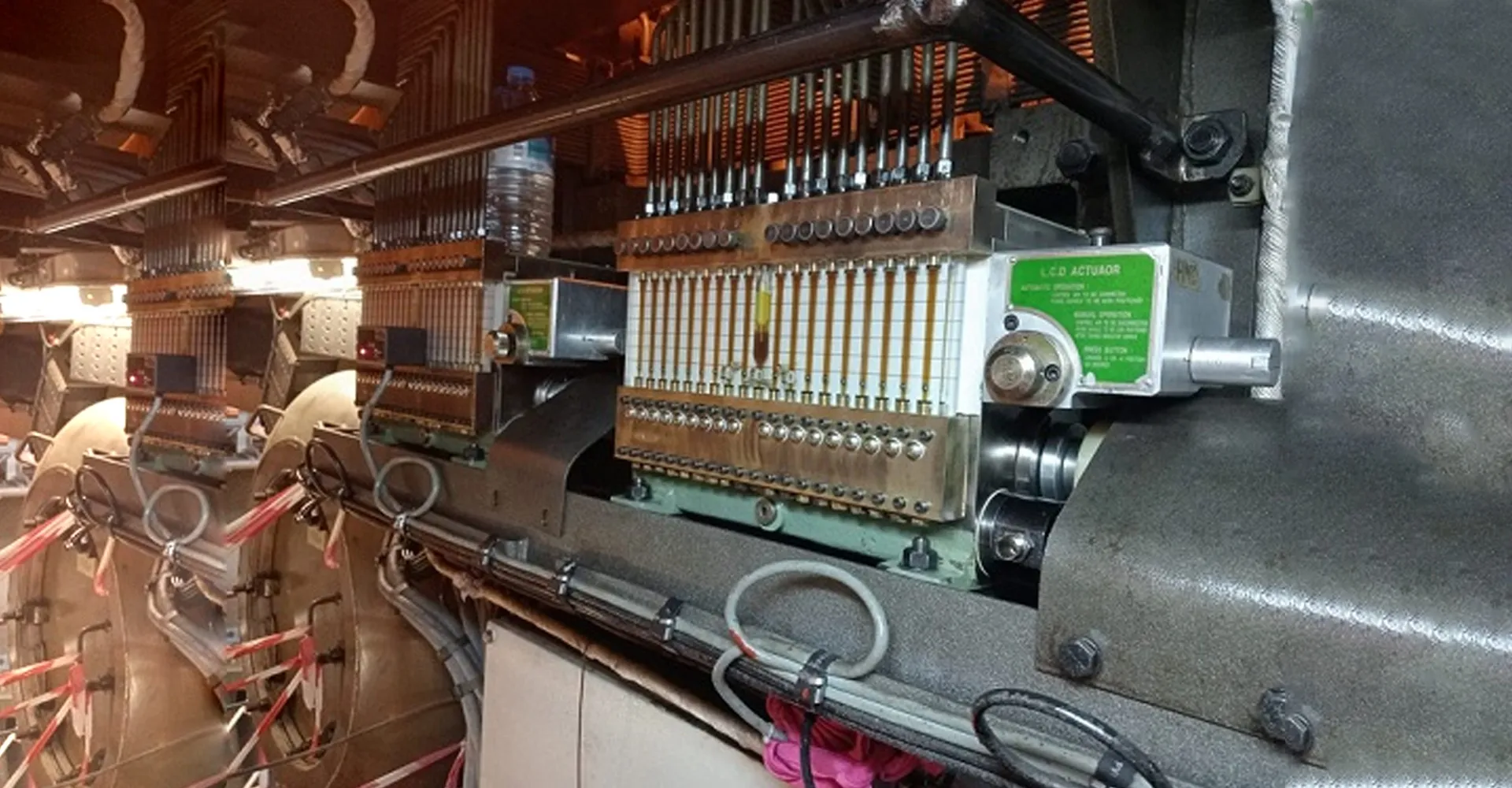
Main Engine Fuel Cam and Fuel Pump Replacement
Main Engine Fuel Cam and Fuel Pump Replacement
Maintaining the optimal functionality of a ship's main engine is crucial for ensuring smooth sailing and efficient operations. Among the various components that contribute to engine performance, the fuel cam and fuel pump play vital roles. In this blog post, we'll explore the importance of these components and the process of replacing them to enhance overall ship performance.
Understanding the Role of Main Engine Fuel Cam and Fuel Pump
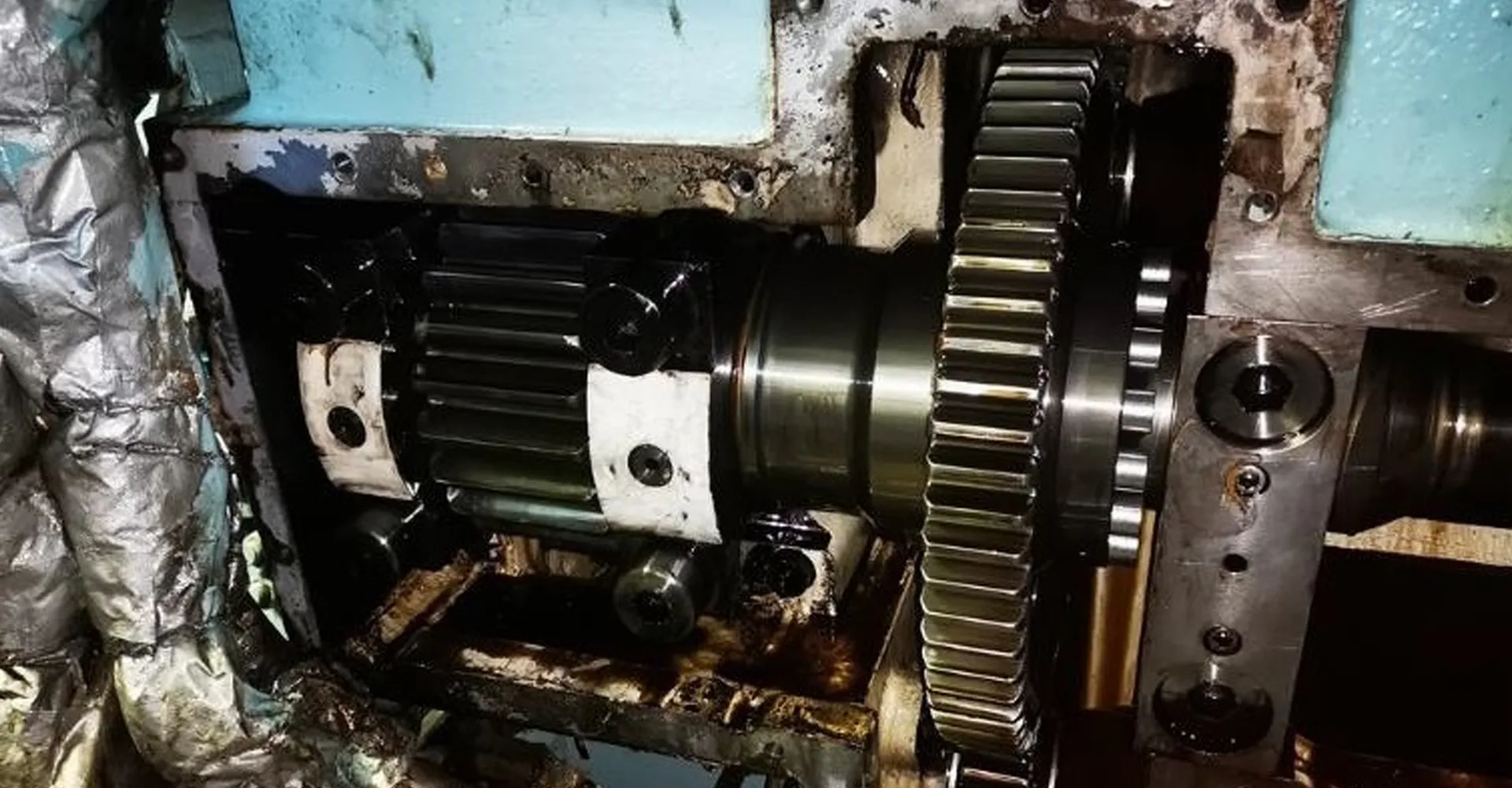
The main engine fuel cam is responsible for controlling the timing and quantity of fuel injection into the engine cylinders. It determines the combustion process's efficiency and directly impacts the engine's power output and fuel consumption. Similarly, the fuel pump is tasked with delivering the precise amount of fuel to the engine cylinders according to the cam's specifications. Together, these components ensure optimal engine performance and fuel efficiency.
Signs of Wear and the Need for Replacement
Over time, the main engine fuel cam and fuel pump may experience wear and tear due to continuous use and exposure to harsh operating conditions. Common signs of wear include irregular engine performance, decreased fuel efficiency, and increased emissions. If left unaddressed, these issues can lead to more severe engine damage and operational disruptions. Therefore, it's essential to regularly inspect these components and replace them when necessary to maintain peak engine performance.
The Replacement Process
Replacing the main engine fuel cam and fuel pump requires precision and expertise to ensure proper installation and alignment. The process typically involves the following steps:
-
Inspection: A thorough inspection of the existing fuel cam and pump to assess their condition and identify any signs of wear or damage.
-
Removal: Careful removal of the old fuel cam and pump, ensuring minimal disruption to other engine components.
-
Installation: Precision installation of the new fuel cam and pump, following manufacturer guidelines and specifications.
-
Calibration: Adjustment of the fuel injection timing and quantity to optimize engine performance and fuel efficiency.
-
Testing: Comprehensive testing of the engine to ensure proper functionality and performance with the new components in place.
Benefits of Replacement
By replacing the main engine fuel cam and fuel pump, ship operators can experience several benefits, including:
- Improved engine performance and power output
- Enhanced fuel efficiency and reduced operating costs
- Lower emissions and environmental impact
- Extended engine lifespan and reduced risk of costly repairs
Conclusion
In conclusion, the main engine fuel cam and fuel pump are critical components that directly impact a ship's performance and efficiency. Regular inspection and timely replacement of these components are essential to maintain optimal engine performance and ensure safe and reliable maritime operations. By partnering with experienced professionals and adhering to best practices, ship operators can enhance their vessel's performance and longevity, ultimately contributing to a sustainable and profitable maritime industry.